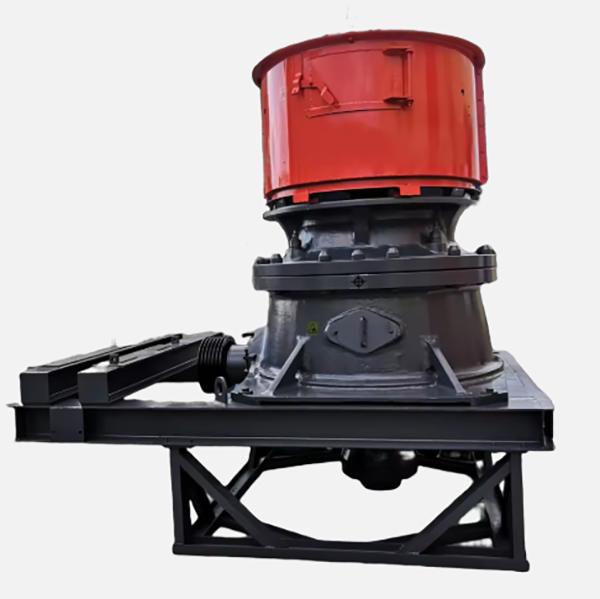
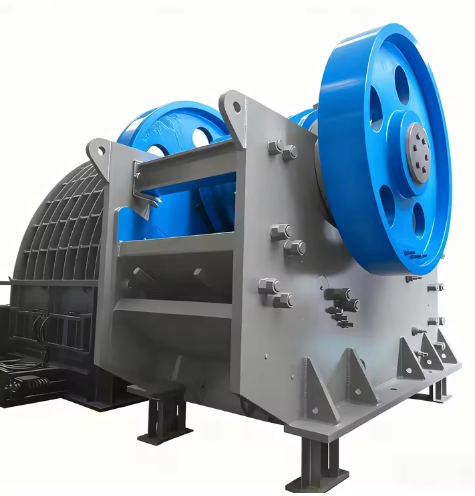
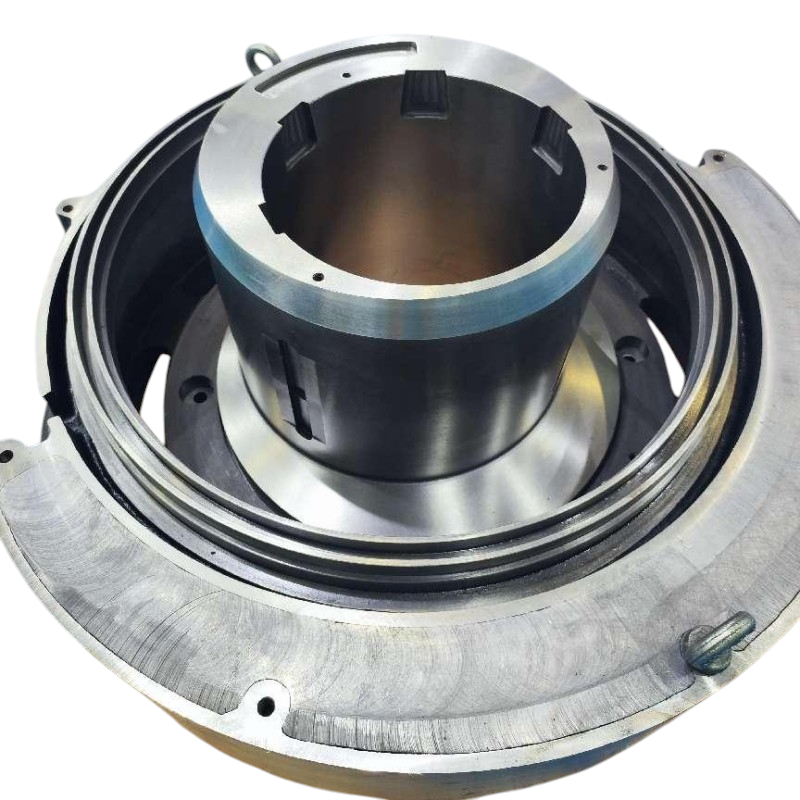
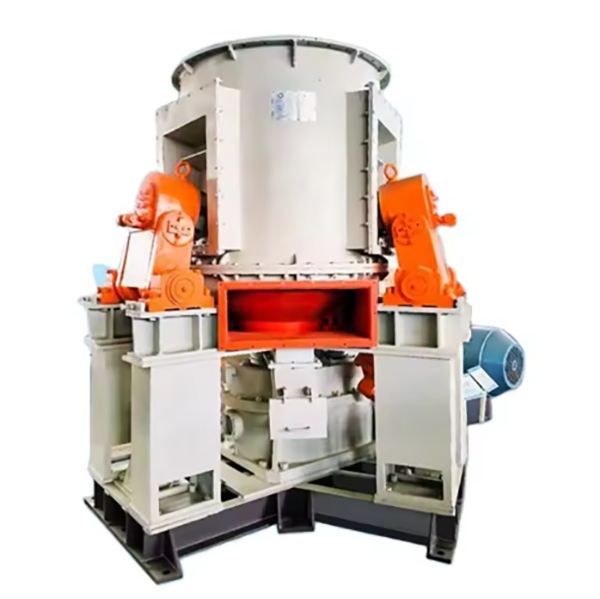
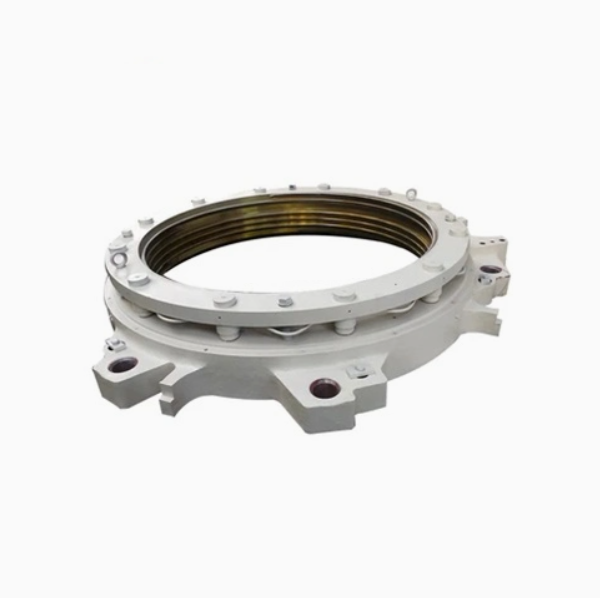
This paper elaborates on the adjustment ring of cone crushers, a key component at the top of the fixed cone assembly that adjusts the crushing gap to control discharge material size and supports the fixed cone liner while housing safety devices. It details its composition, including the ring body, fixed cone liner mounting surface, adjustment gear teeth/threads, hydraulic cylinder ports/spring chambers, lubrication channels, sealing grooves, and locking mechanism, along with their structural features. The casting process for the ring body is outlined, covering material selection, pattern making, molding, melting, pouring, heat treatment, and inspection. It also describes machining and manufacturing processes (rough machining, stress relief annealing, finish machining, surface treatment, assembly) and quality control measures (material validation, dimensional accuracy checks, functional testing, wear resistance testing, final inspection). These processes ensure the adjustment ring provides accurate gap adjustment and reliable protection for cone crushers in demanding applications.

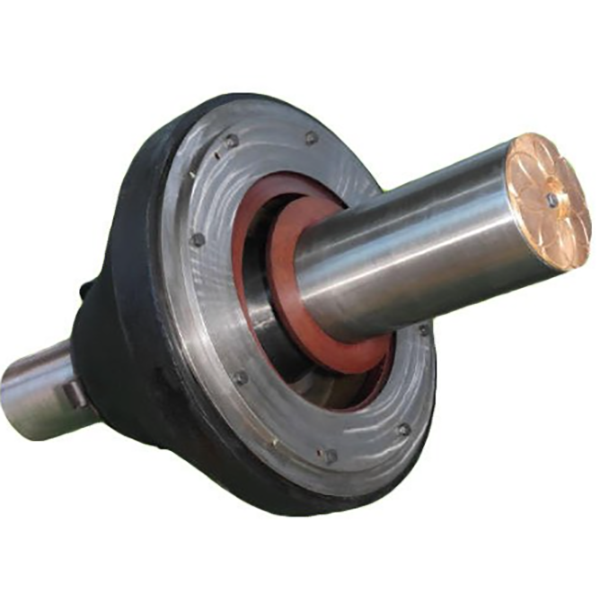
This paper details the cone crusher head, a core crushing component that works with the fixed cone to crush materials through oscillating motion, with its performance directly affecting throughput, product granularity, and wear resistance. It outlines its composition, including the head body (core structure), wear liner (mantle), bearing bore, mounting features, and ventilation/weight reduction cavities, along with their structural characteristics. The casting process for the head body is elaborated, covering material selection (cast steel or ductile iron), pattern making, molding, melting, pouring, heat treatment, and inspection. It also describes the machining of the head body and wear liner, as well as assembly steps. Additionally, quality control measures are specified, such as material testing, dimensional accuracy checks, wear resistance testing, assembly and performance testing, and non-destructive testing. These processes ensure the head has high strength, wear resistance, and dimensional accuracy, guaranteeing reliable performance in heavy-duty crushing operations.

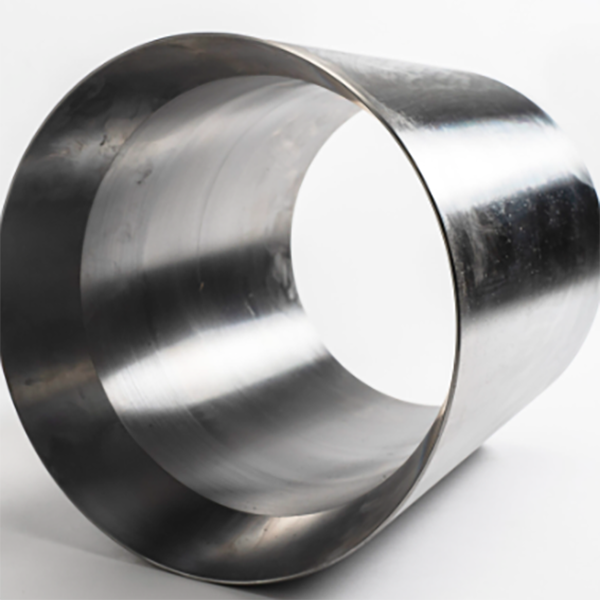
This paper details the main shaft sleeve of cone crushers, a crucial component positioned between the main shaft and the eccentric assembly. It primarily functions in radial support, friction reduction, load distribution, and lubrication retention. The component consists of the sleeve body, inner bore, outer surface, lubrication channels, flange (in some designs), and wear indicator grooves, each with specific structural features. The casting process for the bronze sleeve body is elaborated, including material selection (phosphor bronze), pattern making, molding, melting, pouring, heat treatment, and inspection. The machining and manufacturing process is also described, covering rough/finish machining, surface treatment, and assembly preparation. Additionally, quality control measures are specified, such as material validation, dimensional accuracy checks, surface quality inspection, functional testing, and wear resistance testing. These processes ensure the main shaft sleeve provides reliable support and friction reduction, enhancing the cone crusher’s efficiency and service life under heavy loads.

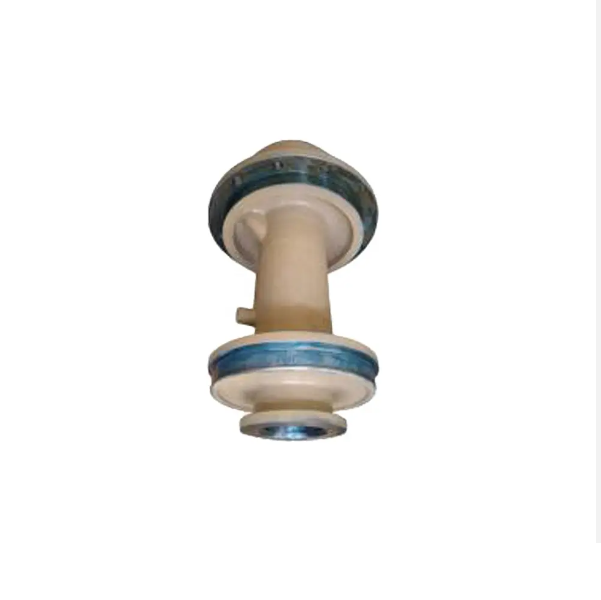
supports the countershaft assembly, isolates transmission parts from contaminants, contains lubricants, and dampens vibrations. It outlines its composition, including the box body, bearing seats, lubrication ports, sealing flanges, inspection covers, ventilation holes, and gear clearance adjustment features, along with their structural characteristics. The casting process of the box body is elaborated, covering material selection (gray cast iron), pattern making, molding, melting, pouring, heat treatment, and inspection. It also describes the machining process (rough/finish machining, surface treatment) and assembly steps. Additionally, quality control measures are specified, such as material validation, dimensional accuracy checks, structural integrity testing (pressure testing, non-destructive testing), functional testing, and final inspection. These processes ensure the countershaft box provides reliable support and protection for the countershaft assembly, contributing to the cone crusher’s stable operation under heavy loads.

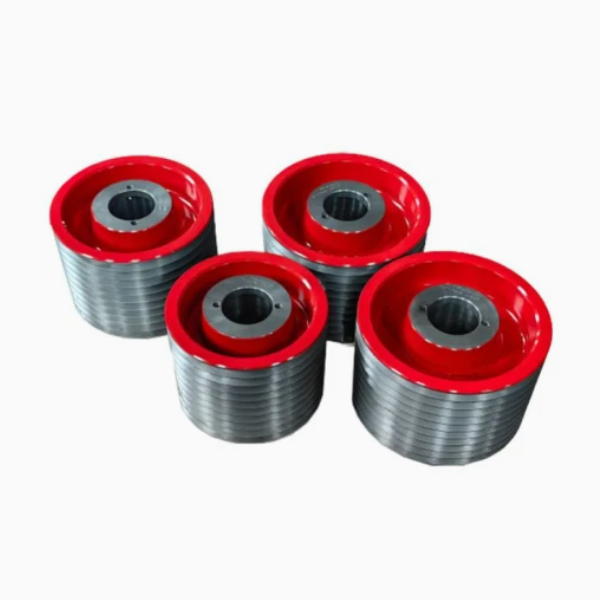
This paper elaborates on the sheave (pulley) of cone crushers, a key power transmission component that transfers rotational motion from the motor to the countershaft via a drive belt, adjusts countershaft speed, and absorbs vibration. It details its composition and structure, including the sheave body, V-grooves, hub, rim, and web. The casting process for the sheave body is outlined, covering material selection (gray cast iron), pattern making, molding, melting, pouring, heat treatment, and inspection. It also describes the machining process (rough/finish machining, surface treatment) and assembly features. Additionally, quality control measures are specified, such as material testing, dimensional accuracy checks, balancing, functional testing, and surface quality inspection. These processes ensure the sheave enables efficient power transmission, reducing belt wear and enhancing the cone crusher’s operational reliability

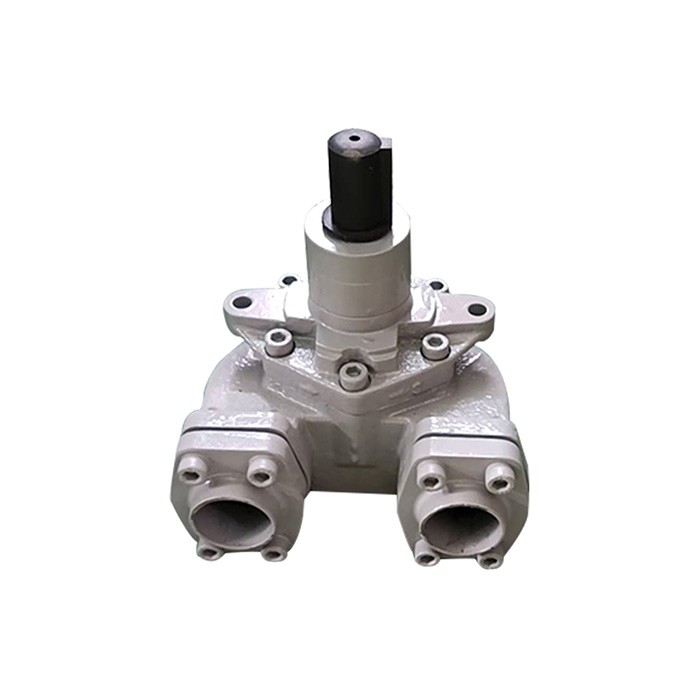
This paper elaborates on the lubrication system of cone crushers, a crucial auxiliary component that reduces friction, dissipates heat, and prevents wear of moving parts by supplying lubricants. It details its composition, including oil tank, oil pump, filtering system, cooling device, distribution manifold, pressure relief valve, and monitoring devices, along with their structural features. The casting process for key cast components (oil tank and pump housing) is outlined, covering material selection, pattern making, molding, melting, heat treatment, and inspection. It also describes machining and manufacturing processes for components like the oil tank, pump housing, filters, and valves, as well as assembly steps. Additionally, quality control measures are specified, including material validation, dimensional checks, performance testing (circulation, pressure, cooling efficiency), safety and reliability verification, and cleanliness verification. These processes ensure the lubrication system reliably protects cone crusher components, minimizing downtime and extending equipment life.