
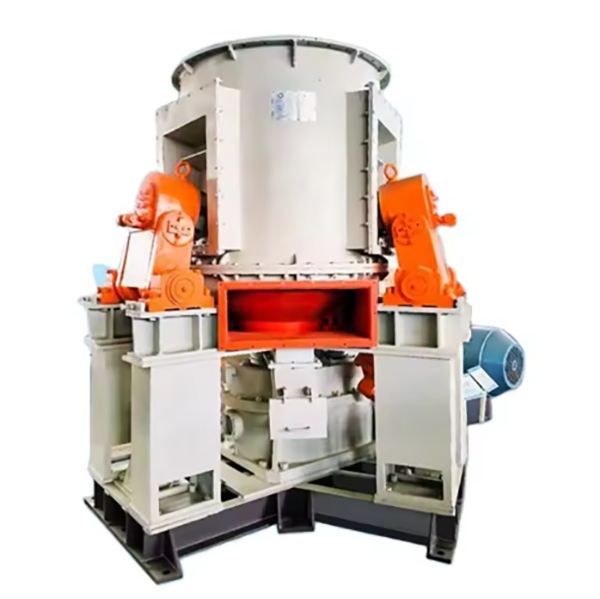
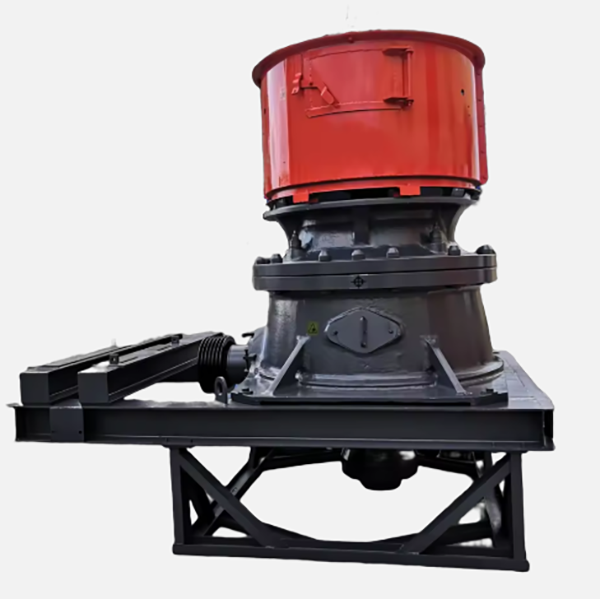
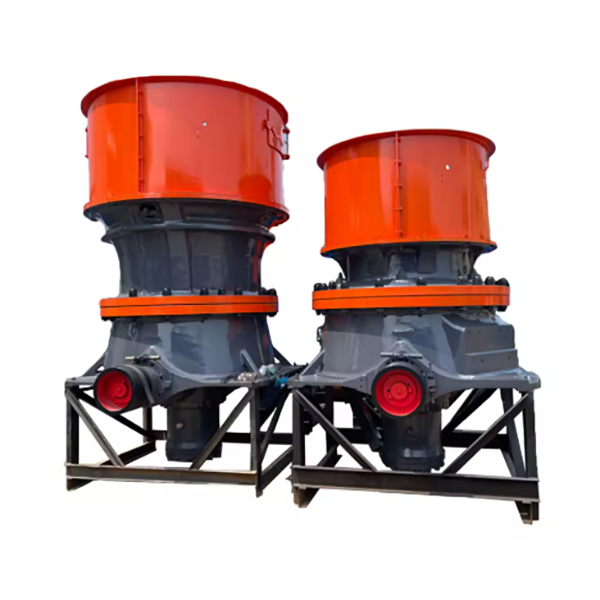
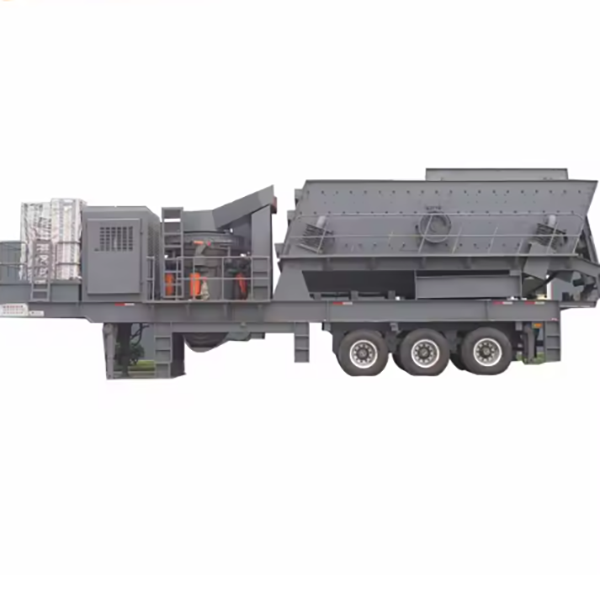
The quality of a cone crusheris directly determined by its crushing efficiency, service life, and operation and maintenance costs. It hinges on four core dimensions: material and craftsmanship of key components, rationality of structural design, manufacturing precision and assembly standards, and reliability of supporting systems. The detailed breakdown is as follows:
Materials and Heat Treatment Processes of Core Components
This is the foundation of equipment durability. Wear parts such as concave and mantle should be made of high-wear-resistant high manganese steel (e.g., ZGMn13) or alloy wear-resistant steel, and undergo water toughening, quenching and tempering processes to improve hardness and impact toughness, avoiding severe wear in a short period. Load-bearing components like main shaft and eccentric bushing should adopt high-strength forged steel such as 42CrMo, and be quenched and tempered to enhance fatigue strength, preventing fracture and deformation under heavy loads.
Rationality of Structural Design
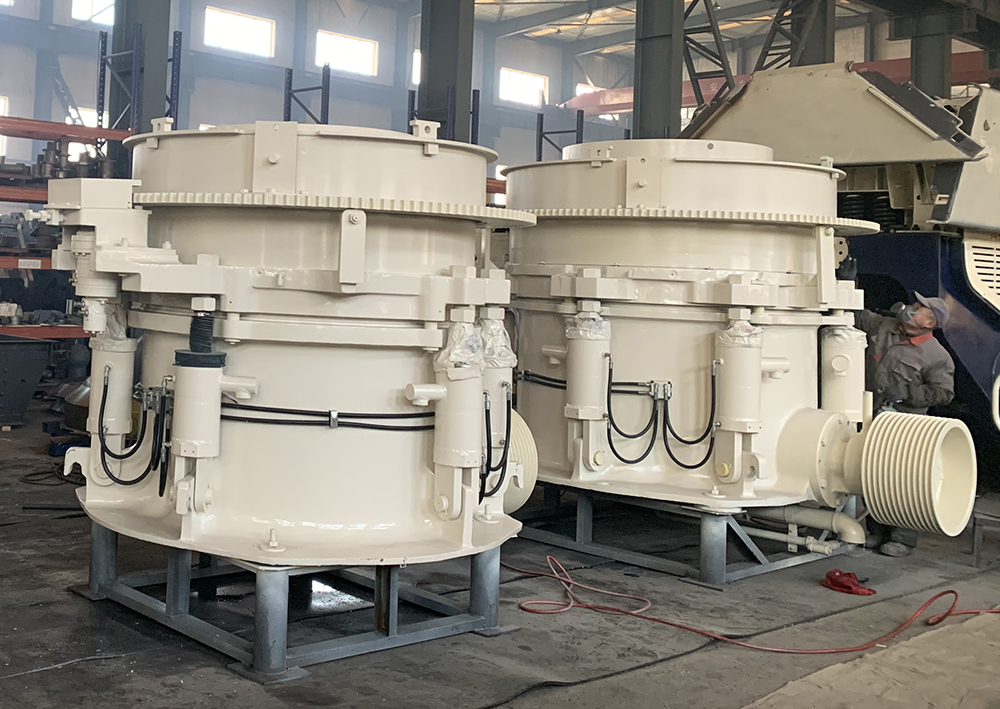
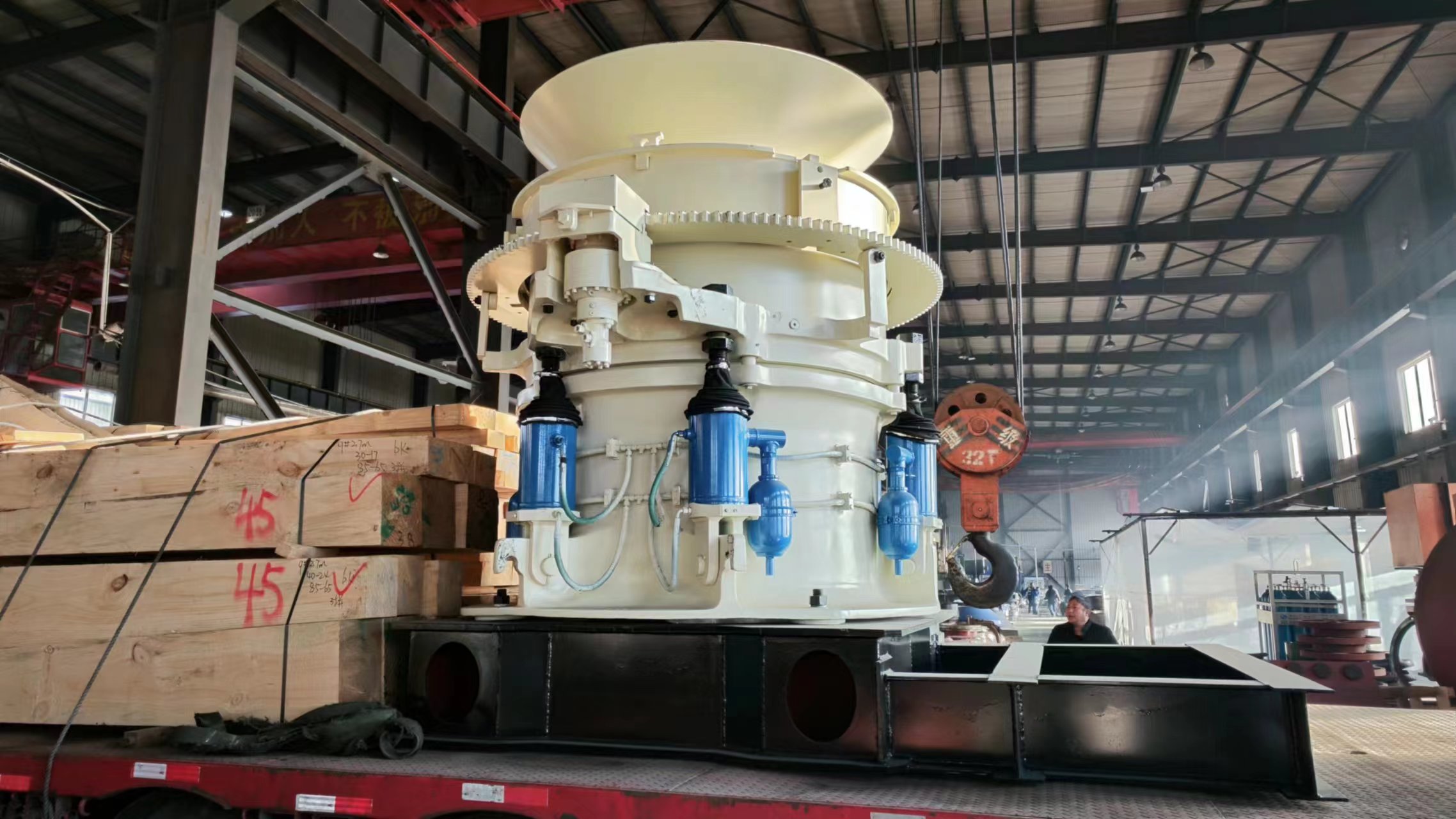
Design directly affects crushing performance and stability. First, the crushing chamber profile: optimized laminated crushing chamber (e.g., the gradient chamber of multi-cylinder hydraulic cone crusher) can improve the quality of product particle shape and reduce the proportion of needle-shaped and flaky materials. Second, the overload protection design: multi-cylinder hydraulic system enables automatic tramp iron release and cavity clearing, which is more sensitive than spring-type protection and can avoid equipment damage caused by foreign objects. In addition, the rigidity design of the overall structure is critical: the frame should adopt integral cast steel or thick plate welding and annealing processes to reduce vibration and deformation during crushing.
Manufacturing Precision and Assembly Standards
High-precision processing and standardized assembly are the guarantee for stable equipment operation. The fit clearance between the main shaft and eccentric bushing, as well as the machining precision of the bearing housing, should be controlled at the micron level; otherwise, it will lead to abnormal noise, heating and even component seizure during operation. The adjustment of bearing preload and the calibration of gear meshing precision during assembly directly affect transmission efficiency and noise level. Meanwhile, the assembly quality of the sealing structure (e.g., double sealing with labyrinth seal and oil seal) can effectively prevent dust intrusion and extend the service life of bearings.
Reliability of Supporting Systems
The performance of auxiliary systems directly affects the continuous operation capacity of the equipment. The lubrication system should adopt centralized forced lubrication, equipped with oil temperature and oil pressure monitoring devices to ensure sufficient lubrication for key parts such as main shaft and bearings. The pumps and valve groups of the hydraulic system should select well-known brands to ensure stable pressure, realizing precise adjustment of discharge opening and overload protection. In addition, the stability of the electrical control system is also important: PLC intelligent control can realize real-time monitoring of equipment operation status and fault early warning, reducing manual operation and maintenance costs.
Production Processes and Quality Control System
A sound production and quality inspection process is the last line of defense for quality. Key components must undergo non-destructive testing (e.g., ultrasonic testing, magnetic particle testing) to check for internal cracks and other defects. After the overall assembly, no-load and load test runs should be carried out to verify whether the operating parameters meet the standards. Meanwhile, manufacturers should establish a strict supply chain management system, and select internationally renowned brands for core accessories (e.g., bearings, seals) to avoid affecting the overall performance of the equipment due to inferior accessories.
Summary
A high-quality cone crusher is essentially the combined result of high-quality materials, scientific design, precision manufacturing and reliable supporting systems. For heavy-duty working conditions such as mining and aggregate production, the durability and stability of the equipment are far more important than the short-term procurement cost.