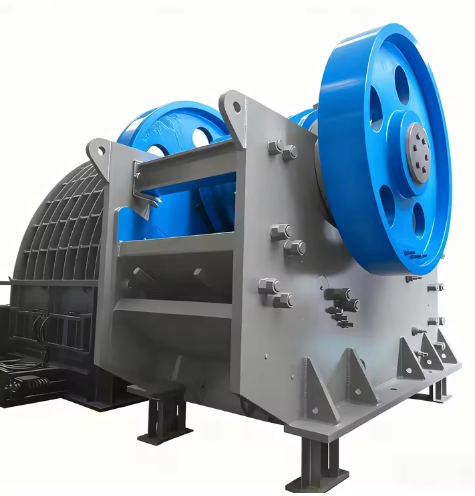
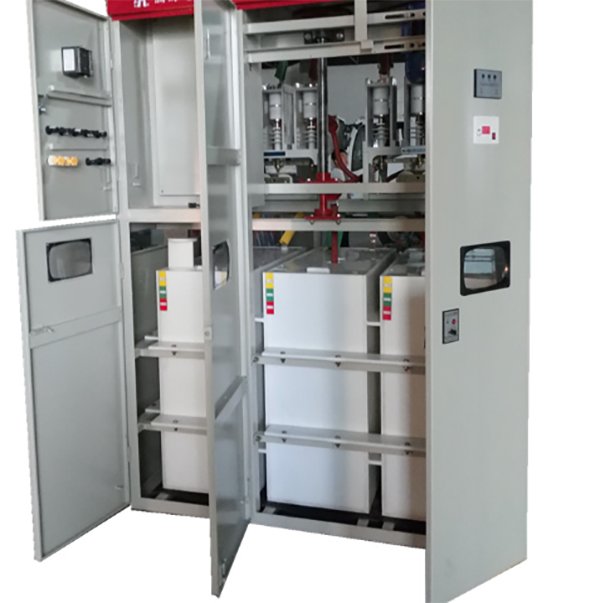
The electrical control system of jaw crushers, as the "nerve center," manages motor operation, monitors status, and enables overload protection via PLC-based automation. It comprises power circuits (breakers, contactors), control systems (PLC, relays), monitoring components (temperature/vibration sensors), and an HMI (touch screen, control cabinet). Manufacturing involves component selection (IP65 sensors, derated devices), cabinet fabrication (IP54, powder-coated steel), precision wiring (shielded cables, crimped terminals), and PLC/HMI programming. Quality control includes insulation tests (≥10 MΩ), EMC compliance, and 100-hour runtime validation. With MTBF ≥5000 hours under regular maintenance (sensor calibration, dust cleaning), it ensures safe, efficient crusher operation through real-time monitoring and responsive contro

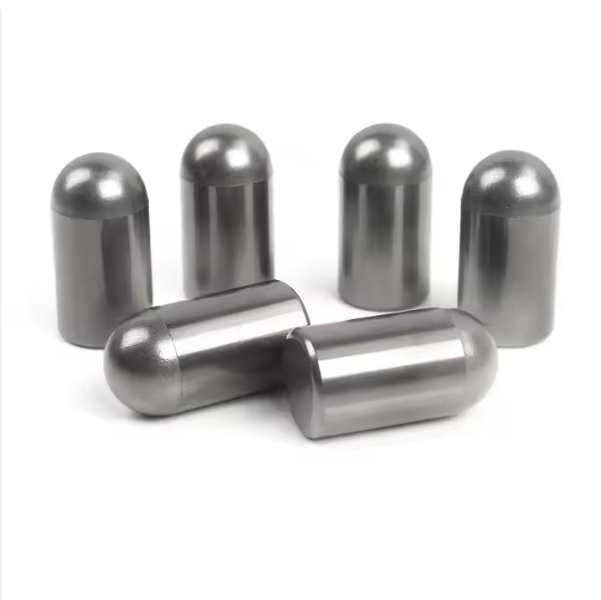
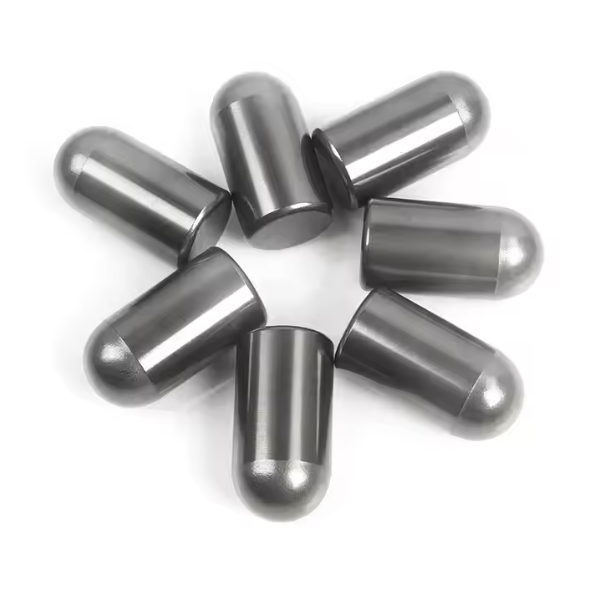
Studs are key wear-resistant components on High-Pressure Grinding Rolls (HPGR), typically made of high-hardness alloys (e.g., high-chromium cast iron, tungsten carbide) to enhance crushing efficiency and protect roll surfaces. Their manufacturing process involves material selection (with chemical composition verification), forming (casting for high-chromium alloys or powder metallurgy for tungsten carbide), heat treatment (quenching/tempering or stress-relief annealing), and surface treatment (anti-corrosion coatings, polishing).

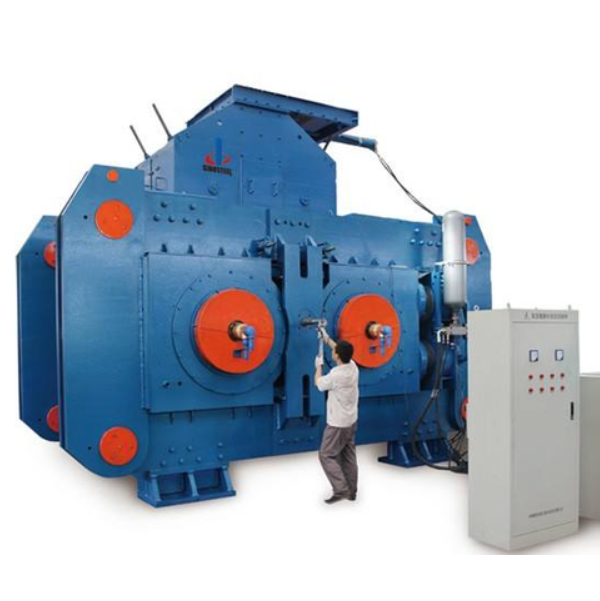
- Raise the left and right frames on both sides of the extrusion roll of the high-pressure grinding roll symmetrically with the left and right sleepers to ensure sufficient height for the extrusion roll to operate without damaging the mechanical assembly joint surface under the frame; - Rotate the position on the shaft shoulder on one side of the extrusion roll where the stud needs to be replaced to the horizontal position. Use the magnetic drill fixed on the left frame to drill a stud hole at this position by operating the handle with a drill bit; - Then aim the fixed long baking gun at the stud hole for heating from the inside to the outside. When the stud hole and the surrounding area are heated to a red-hot surface close to the oxidized state, apply qj102 silver brazing flux and inlay the matching stud into the stud hole so that the surface height of the stud is equal to the height of the existing used stud;

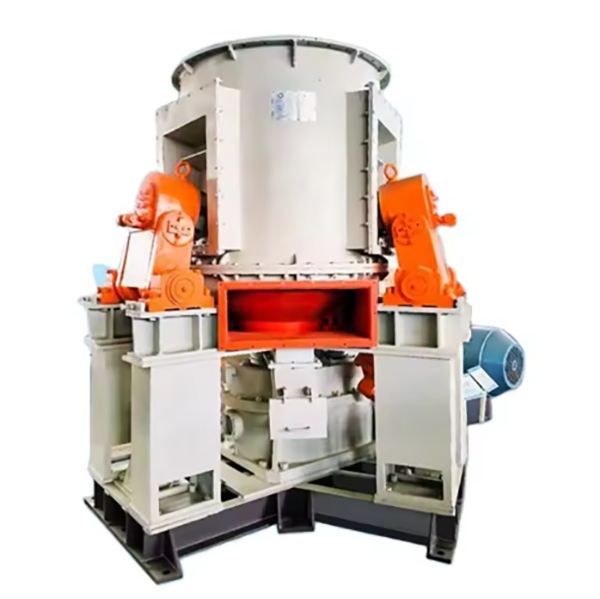
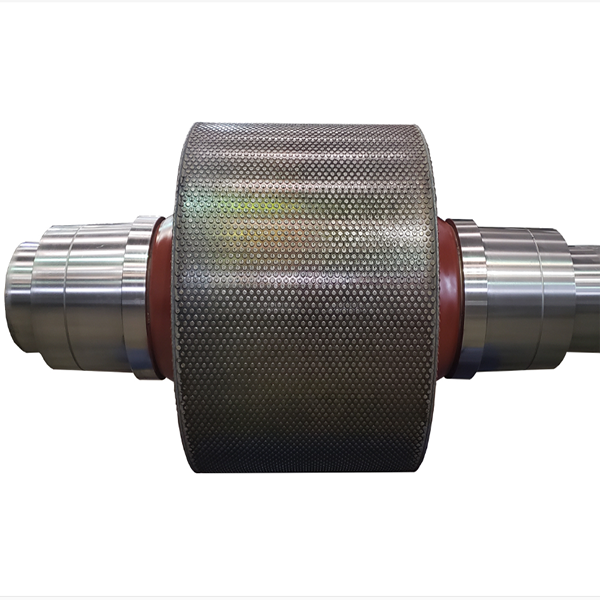
Advantages and Features: 1. Using high pressure roller mill in the process flow of the grinding system can improve the production efficiency of the entire system by 20% to 30%. At the same time, the total power consumption of the grinding system can be reduced by 25 to 50% compared with the traditional grinding method; 2. This product is equipped with a sealed roller cover, which can strictly control the diffusion of harmful dust and create an excellent production environment; 3. Compact structure, small footprint, high reliability, and the operating rate can reach about 95%; 4. This product has low energy consumption and low pollution, and is a product series that responds to energy conservation, emission reduction, low carbon and environmental protection;

The HPGR of their company is supplied by us. The supply years are 2015 and 2018 respectively. This company is a very powerful large-scale company in China. It belongs to a copper mining company and mainly produces copper oxide. We have supplied a total of 8 HPGR complete machines (including studs, tyre and main shaft) twice in two years. Their complete equipment is mainly used for crushing copper oxide.

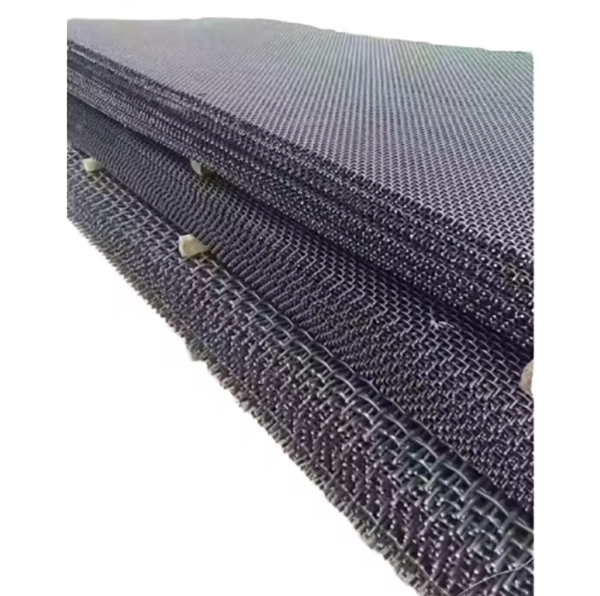
Vibrating screens wire mesh, a key component in screening equipment, classifies bulk materials (ore, aggregate, etc.) by particle size via vibration, with 85–95% efficiency. It withstands high-frequency vibration (800–3000 rpm) and abrasion, requiring high tensile strength and wear resistance. Composed of warp/weft wires (materials: high-carbon steel, stainless steel), mesh openings (0.1–100 mm, square/rectangular/hexagonal), and edge reinforcement, it has structural types: woven (plain/twill/Dutch weaves), welded (rigid welded intersections), and perforated plate (punched steel plates). Manufacturing processes vary by type: woven mesh involves wire drawing, straightening, weaving, and edge treatment; welded mesh uses wire preparation, grid alignment, resistance welding, and surface treatment; perforated mesh requires plate cutting, punching, and deburring. Finishing includes galvanizing, polishing, or coating. Quality control covers material testing (tensile strength, composition), dimensional checks (opening size, flatness), structural tests (weld strength, abrasion resistance), and performance validation (screening efficiency, vibration fatigue). Installation involves frame preparation, mesh positioning, fixing (bolts/wedge bars), tension adjustment (10–20 kN/m), and sealing/testing to ensure stable operation. This mesh is vital for efficient material classification in mining, construction, and metallurgy.