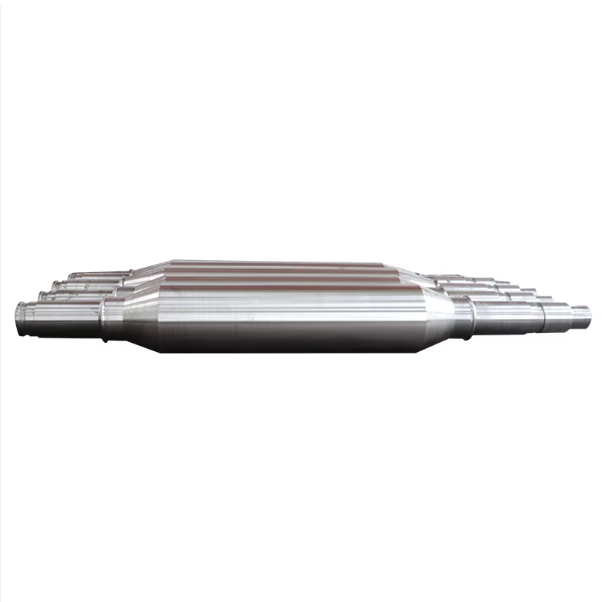
This article elaborates on the ball mill shaft, a core component that transmits torque, bears heavy loads (up to thousands of tons), and connects the cylinder and transmission system, with 45# steel and 42CrMo alloy steel as common materials for different sizes. It details the manufacturing process of 42CrMo shafts, including raw material pretreatment, forging, heat treatment (normalizing and quenching-tempering), rough machining, semi-finishing, precision grinding, and assembly. Additionally, it outlines comprehensive inspection procedures covering raw materials (chemical composition, mechanical properties), heat treatment (hardness, metallographic structure), machining accuracy (dimensional and geometric tolerances), and final product tests (surface quality, dynamic balance, hydrostatic test). These ensure the shaft meets strength, toughness, and precision requirements, supporting stable and efficient operation of ball mills.

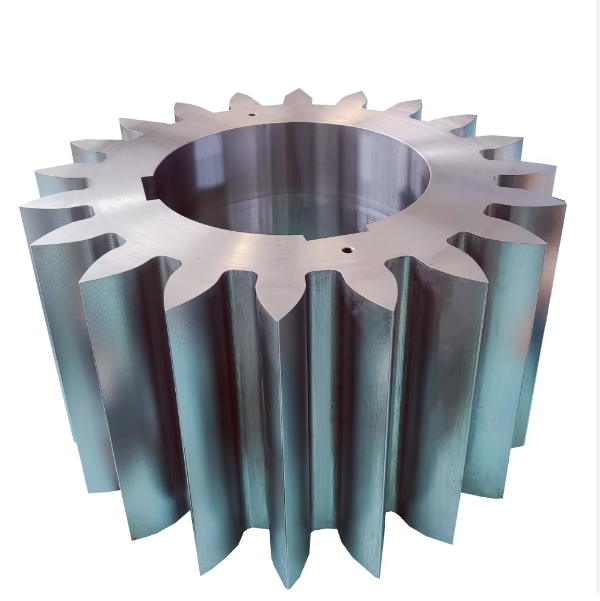
This article details the ball mill pinion, a core transmission component that meshes with the bull gear to drive the cylinder, requiring high strength, precision, toughness, and wear resistance, with 20CrMnTi as a common material. It outlines its manufacturing process for 20CrMnTi pinions, including blank forging, rough/semi-finishing (turning, hobbing), carburizing heat treatment, precision machining (tooth grinding, datum grinding), and assembly. Additionally, it specifies comprehensive inspection procedures covering raw materials (composition, forging quality), heat treatment (hardness, carburized layer), tooth accuracy (pitch deviation, runout), and final tests (surface quality, meshing performance, dynamic balance). These ensure the pinion meets transmission efficiency (≥95%) and service life (2-3 years) requirements, supporting stable ball mill operation.

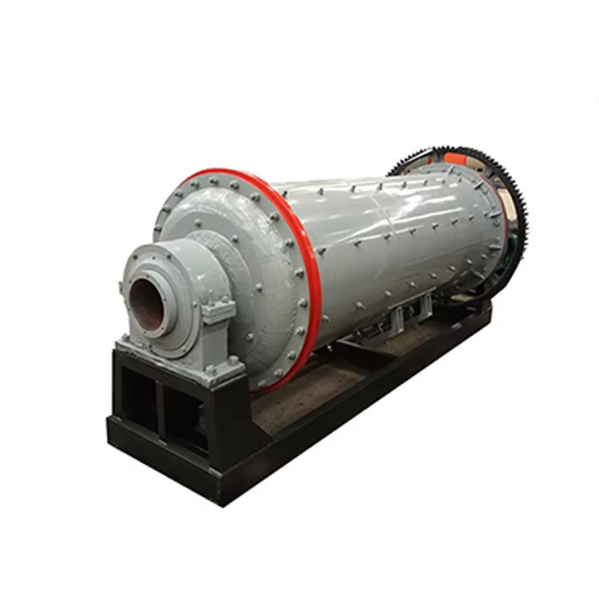
This paper elaborates on the ball mill cylinder, a core component that holds grinding media and materials, enabling material crushing and mixing through rotation, while withstanding heavy loads (up to thousands of tons). It requires high strength, rigidity, wear resistance, and sealing performance, with Q235B and Q355B steel as common materials, and features a cylindrical structure with wear-resistant liners inside. The manufacturing process of large Q355B cylinders is detailed, including raw material pretreatment, cutting, rolling, welding (longitudinal and circumferential seams), flange assembly, annealing, roundness correction, and surface treatment. Comprehensive inspection processes are also outlined, covering raw materials (chemical composition, mechanical properties), welding quality (non-destructive testing), dimensional accuracy (diameter, roundness, straightness), hydrostatic tests, and final appearance checks. These ensure the cylinder meets operational requirements, with a service life of 8-10 years when combined with wear-resistant liners.

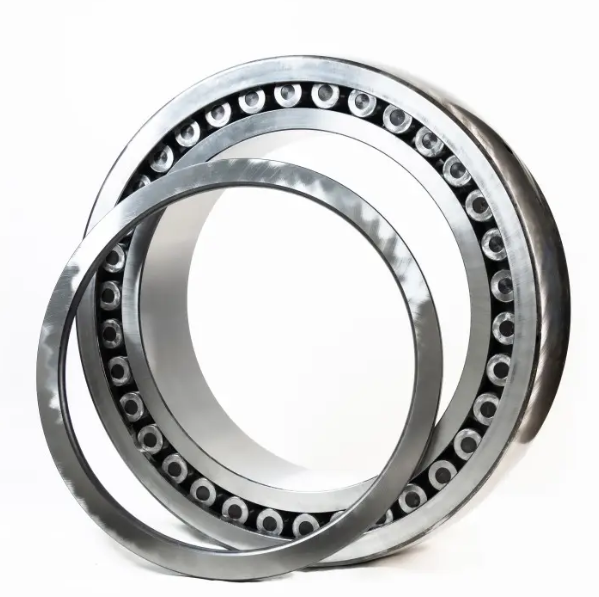
This article details ball mill bearings, which support the cylinder, bear heavy loads, and reduce friction, with key types including spherical roller bearings, double-row tapered roller bearings, and sliding bearings (Babbitt metal bearings), each suited to different mill sizes. It focuses on the manufacturing process of spherical roller bearings, covering inner/outer ring production (forging, heat treatment, precision grinding), roller and cage manufacturing, and assembly. Additionally, it outlines comprehensive inspection processes from raw materials to finished products (material composition, hardness, dimensional accuracy, rotational precision, life tests, etc.) to ensure they meet heavy-load, long-term operation requirements of ball mills.

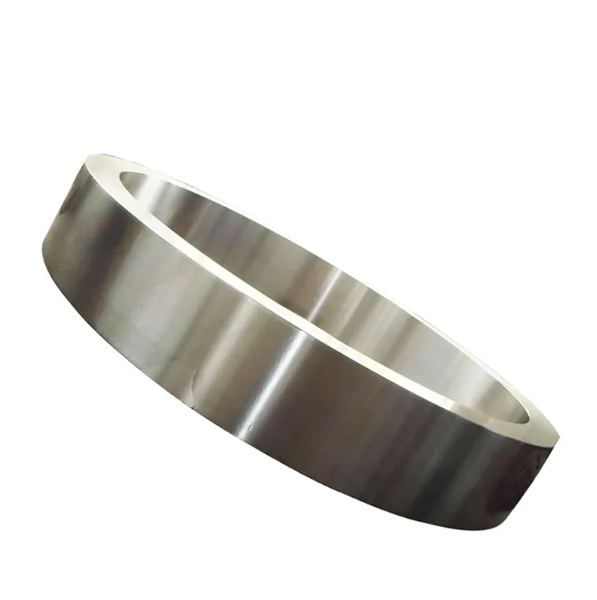
This article details ball mill sealing rings, which prevent leakage of materials/lubricants and block external contaminants, with types including contact, non-contact, and combined (most common) ones, made of materials like cast iron and nitrile rubber. It outlines the manufacturing process of combined sealing rings (metal skeleton casting, rubber lip vulcanization, assembly) and comprehensive inspection procedures covering raw materials, in-process, and finished products (sealing performance, dimensional accuracy, wear resistance). These ensure the rings meet reliability and durability requirements, extending ball mill maintenance cycles.

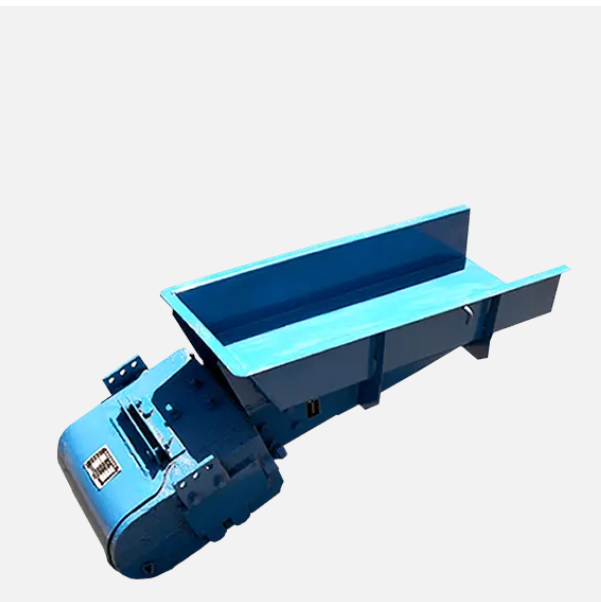
This article elaborates on ball mill feeders, which uniformly and stably feed materials into ball mills, with common types including screw, belt, vibrating, and plate feeders, each suited to different materials and scenarios. It details the manufacturing process of vibrating feeders (a typical type), covering key component production (trough, vibrator, spring supports) and assembly. Additionally, it outlines comprehensive inspection processes from raw materials and components to assembly and final acceptance, ensuring feeders meet performance requirements like uniform feeding, wide adjustability, and high reliability, thus supporting efficient and stable operation of ball mills.