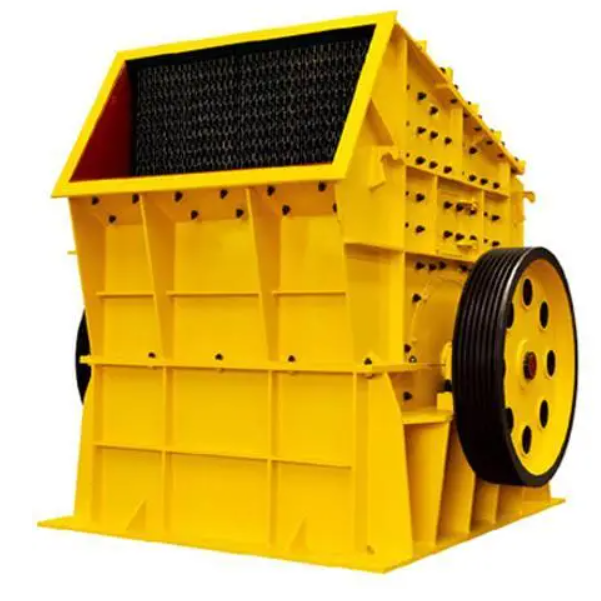
The hammer crusher is a widely used crushing equipment that crushes medium-hard and brittle materials (compressive strength ≤150 MPa) like limestone and coal via high-speed hammer impacts (800–1500 rpm). Materials are broken by impact, collision, and shearing, then discharged through a bottom sieve plate, finding applications in mining, building materials, and more due to its simple structure and high efficiency. Its main components include: a cast steel or welded frame (ZG270-500/Q355B) with wear liners; a rotor consisting of a 40Cr main shaft, ZG310-570 rotor disk, and high-chromium cast iron (Cr15–20) hammers; a feeding port, ZGMn13 sieve plate (5–50 mm holes), 40Cr hammer shafts, bearing seats, and a 5.5–315 kW motor. Key manufacturing processes: Hammers are sand-cast from high-chromium iron, heat-treated to HRC 55–65; rotor disks use sand-cast ZG310-570 with normalization and tempering (HB 180–220); the main shaft undergoes forging, quenching/tempering (HRC 28–32), and precision grinding. Quality control involves material composition testing, dimensional inspection (CMM), non-destructive testing (MPT/UT), performance tests (empty/load runs), and safety checks, ensuring efficient and stable operation.
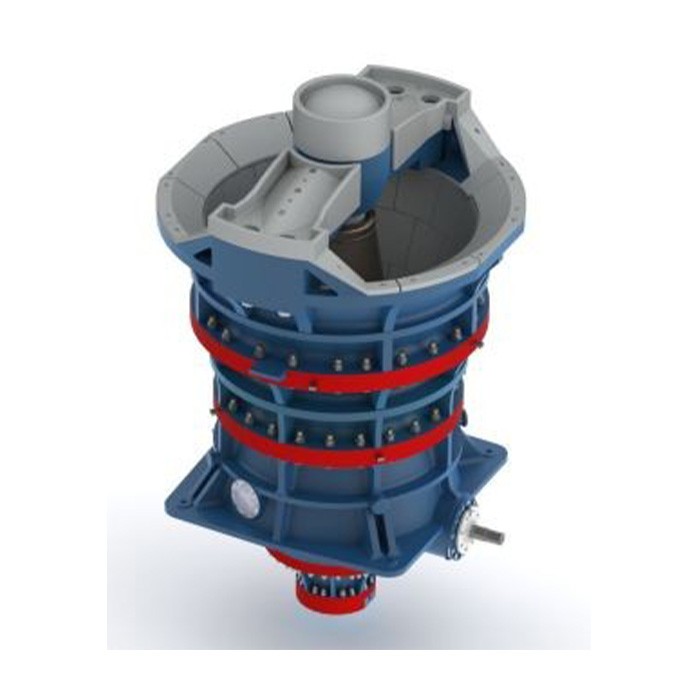
The gyratory crusher is a large-scale primary crushing equipment widely used in mining and metallurgy. It features a vertical spindle with a conical crushing head that gyrates within a fixed concave, forming a crushing cavity. Its structure includes a heavy-duty frame, a rotating main shaft, an eccentric sleeve, a crushing cone, and a fixed cone. The main shaft, driven by a motor via gears, gyrates to make the crushing cone oscillate, squeezing and breaking materials between the cone and concave. Advantages include high throughput, continuous operation, and suitability for crushing large, hard ores (up to several meters in diameter). It offers stable performance and low maintenance, making it ideal for primary crushing stages in large-scale mineral processing plants
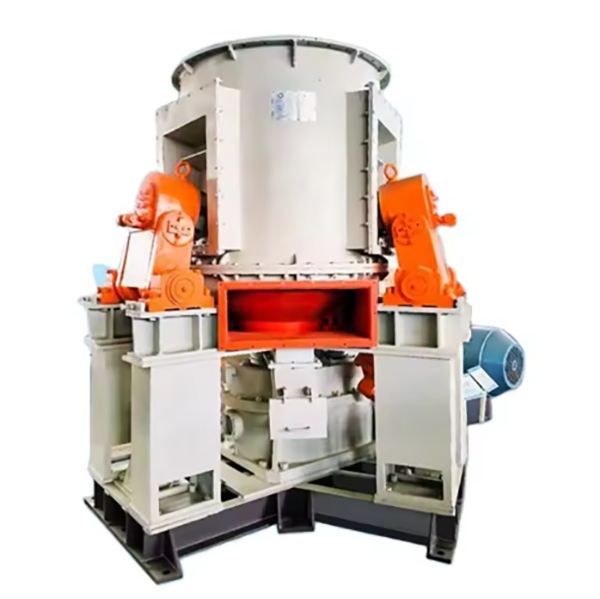
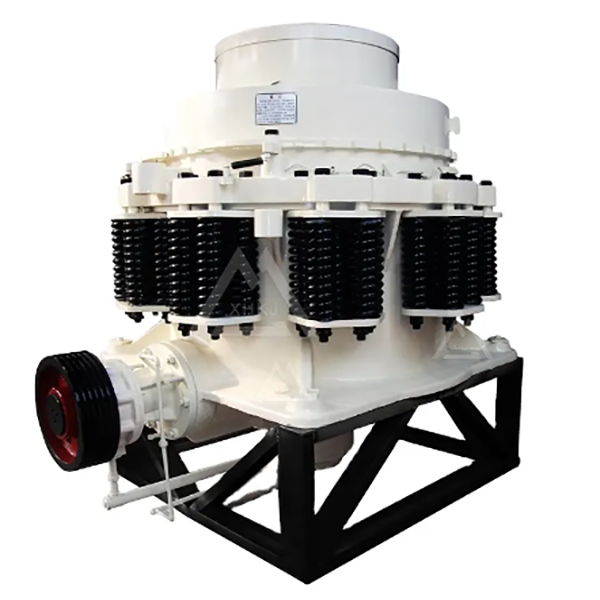
The compound cone crusher, a multi-cavity advanced crusher for medium-to-fine crushing of hard materials, integrates spring and hydraulic cone crusher advantages. Its 2–4 stage crushing cavities enable gradual material reduction via lamination crushing, ensuring uniform particle sizes with high cubicity. Structurally, it comprises key assemblies: a heavy-duty cast steel main frame (ZG270-500) supporting components; a crushing assembly with a 42CrMo forged movable cone (manganese steel/high-chromium liner) and multi-section fixed cone; a transmission system with a ZG35CrMo eccentric shaft sleeve and 20CrMnTi bevel gears; hydraulic adjustment (5–50 mm discharge port) and safety systems; plus dustproof (labyrinth seal, air purge) and lubrication setups. Manufacturing involves precision casting (frame, eccentric sleeve) and forging (movable cone, main shaft) with heat treatment, followed by CNC machining for tight tolerances. Quality control includes material testing, dimensional inspection (CMM, laser scanning), NDT (UT, MPT), and performance tests (dynamic balancing, 24-hour crushing runs). Its advantages lie in high efficiency, compact design, adjustable stages, and reliable safety, suiting mining, construction, and aggregate processing
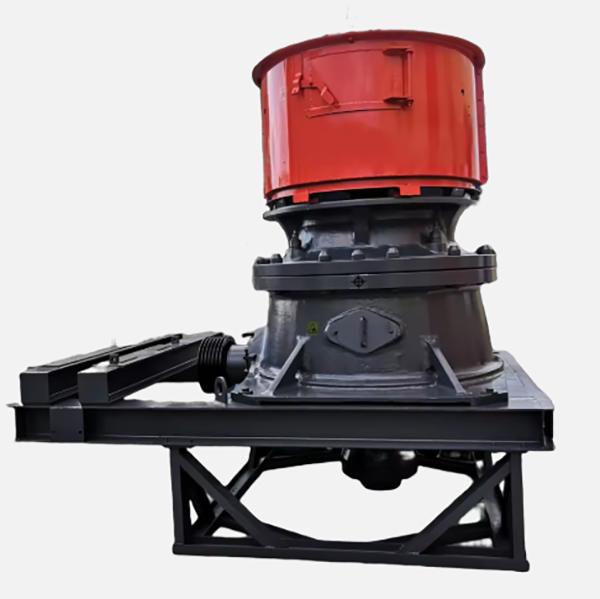
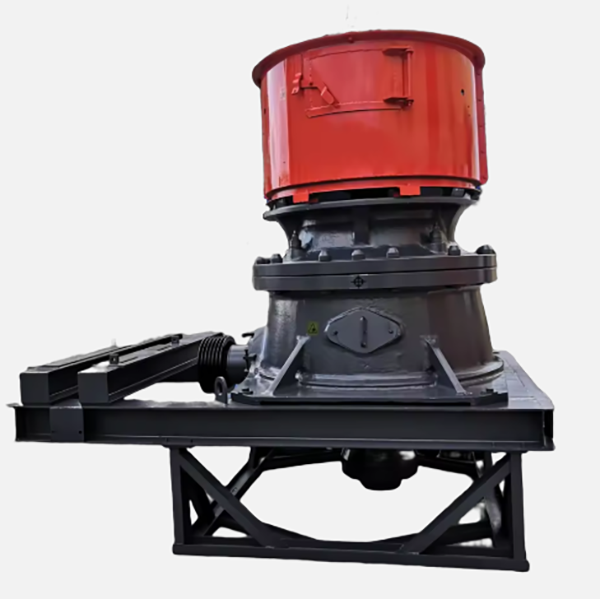
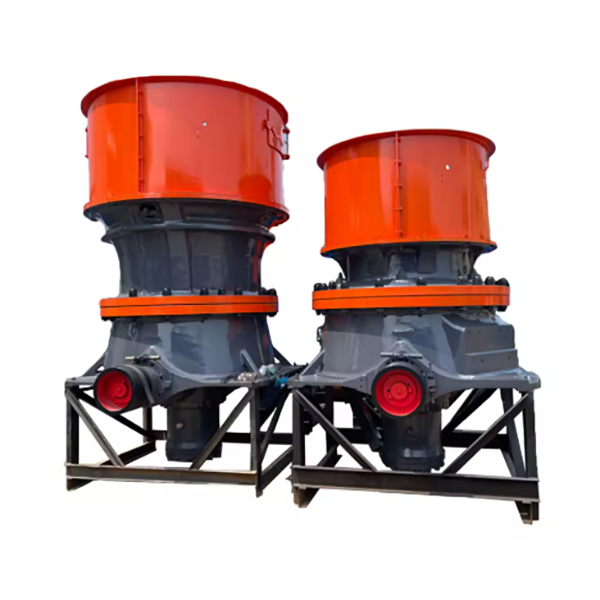
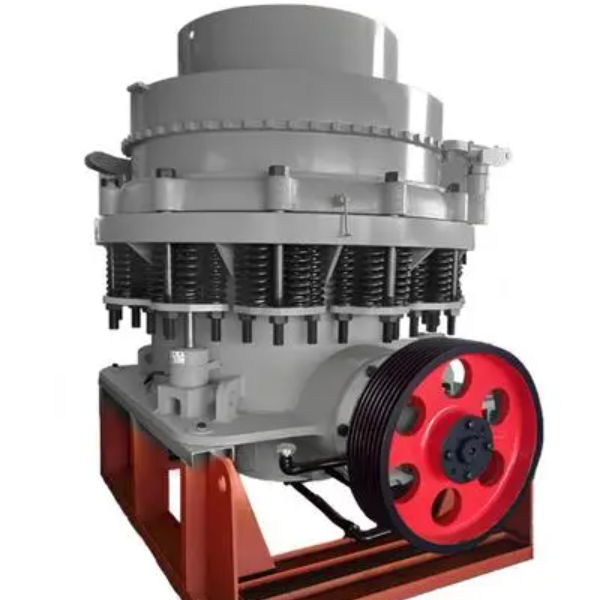
The Symons cone crusher, an upgraded replacement for PY series spring cone crushers, features a spring safety system as an over-protection device, allowing metal foreign bodies to pass through the crushing cavity without damaging the machine. It adopts dry oil sealing to isolate stone powder from lubricating oil, ensuring reliable operation, and is widely used in industries such as mining, cement production, construction, and metallurgy for crushing ores (metal, non-metal, ferrous, non-ferrous), lime, limestone, quartzite, sandstone, and pebbles. Its working mechanism comprises a crushing cone (with a manganese steel liner) and a fixed cone (adjustment ring), with zinc alloy poured between the liner and cone for tight integration. The crushing cone is press-fitted on the main shaft, whose lower end fits into the tapered hole of an eccentric shaft sleeve (with bronze or MC-6 nylon bushings). Rotation of the eccentric shaft sleeve via bevel gears drives the main shaft and crushing cone (supported by a spherical bearing) to swing, achieving ore crushing.