
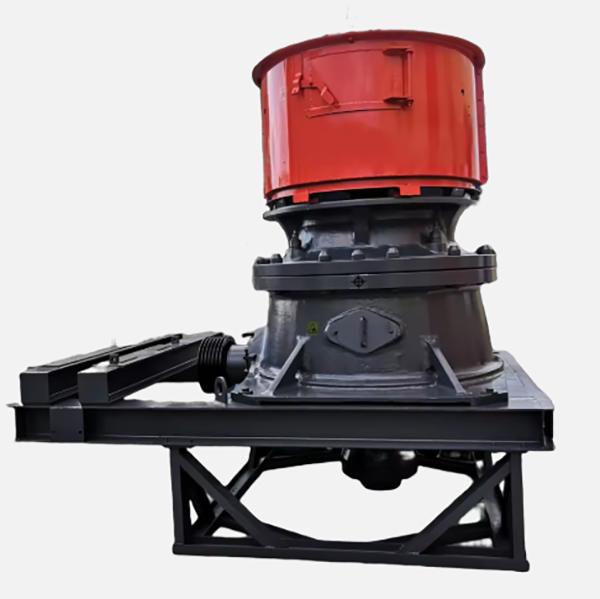
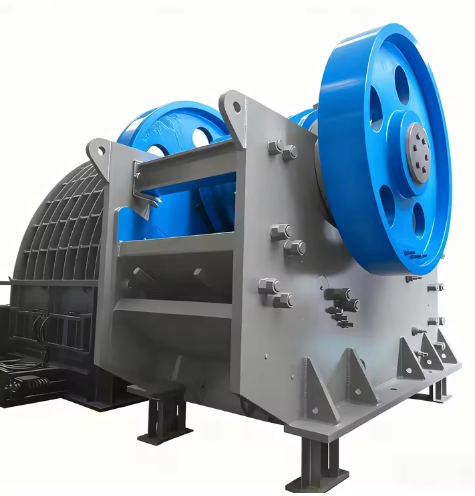
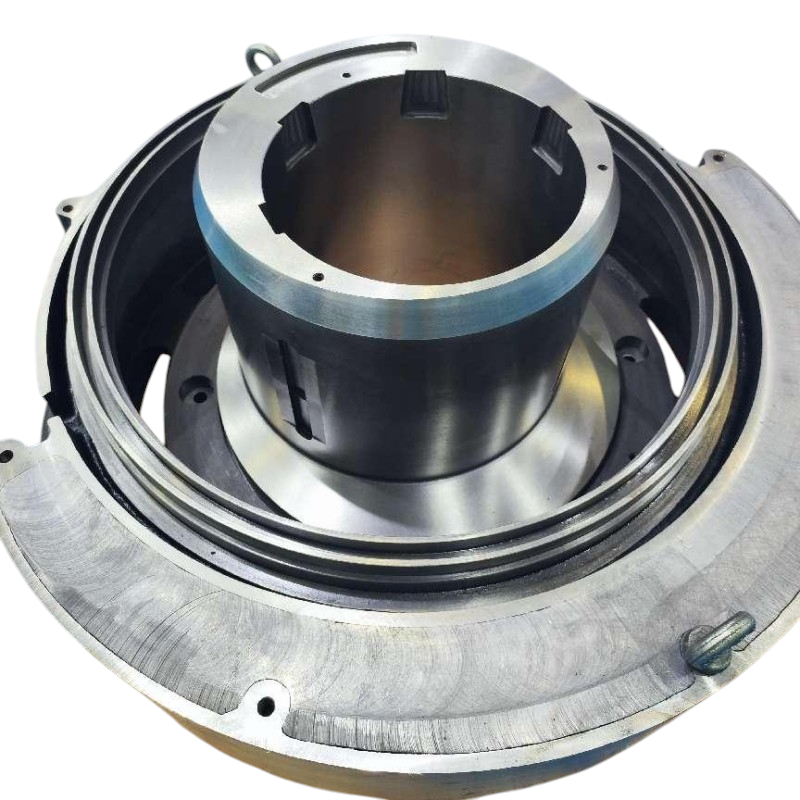
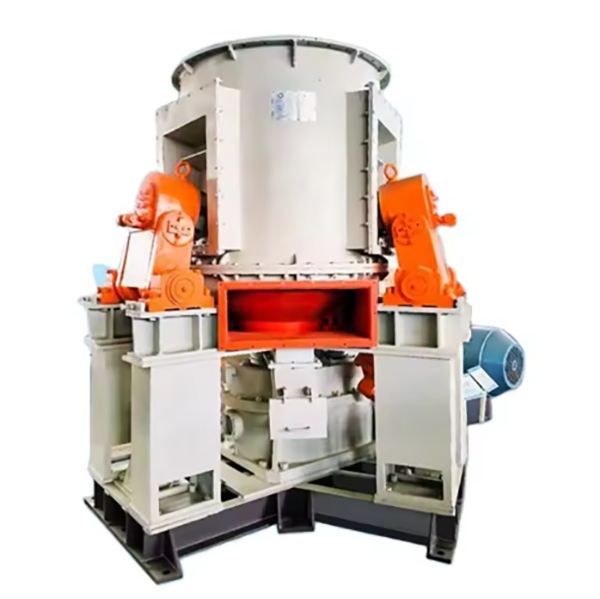
As the core load-bearing component of cone crushers, frames endure constant high-frequency impacts, extrusion and alternating loads in mining, metallurgy and building materials operations. Their durability is the key to ensuring the long-term stable operation, service life and production efficiency of the whole equipment. How to build a durable cone crusher frame through professional manufacturing and technical optimization has become a core focus of high-end equipment manufacturing. The secret to a long-lasting frame lies in the synergistic control of four core links: high-strength material selection, precision welding technology, structural design optimization and rigorous full-process quality inspection.
High-Strength Base Materials: The Foundation of Durability
Material selection is the primary guarantee for the frame’s anti-impact and anti-deformation performance. Mainstream durable cone crusher frames adopt ZG35 cast steel or high-strength alloy steel as the core base material; high-end models even use precision cast and forged high-strength alloy steel, which endows the frame with excellent tensile, compressive and fatigue resistance. It can easily withstand heavy-load impacts during the crushing of medium and hard materials, effectively avoiding plastic deformation and cracks caused by long-term high-frequency operations, and laying a solid material foundation for the long service life of the frame.
Precision Welding Technology: Safeguard Structural Strength & Sealing
Cone crusher frames are assembled by welding key components such as center frames, cylinders and upper flanges, and welding quality directly determines the overall structural stability of the frame. Mature industrial welding processes follow strict standardized operations throughout the whole process: pre-welding, high-adaptability electrodes such as E5015 and E5016 are selected and dried, and the base material is preheated to reduce cold crack risks; during welding, customized groove forms are adopted for different parts, with strict control of welding current and speed to ensure sufficient weld penetration and uniform forming; post-welding, carbon arc gouging root cleaning and heat preservation slow cooling are carried out to reduce residual welding stress. This precision welding ensures no undercut, porosity, cracks and other defects in the welds, making the frame a solid integrated structure and ensuring excellent structural strength and sealing performance.
Structural Design Optimization: Eliminate Vulnerabilities & Optimize Force Bearing
Scientific structural optimization fundamentally avoids common failure points in frame use and improves overall durability. Aiming at the pain points of traditional frames such as bolt loosening, thread damage and excessive vibration caused by unstable gear meshing, the industry has launched targeted optimization solutions: upgrading the number and specification of connecting bolts to enhance the tightness of fixed connections; redesigning the connection structure of the drive shaft frame and the main frame to avoid bolt fatigue fracture and thread wear; optimizing the overall force-bearing structure to reduce frame vibration amplitude and avoid additional loads caused by axial movement. The optimized frame has more reasonable force distribution, effectively reducing the risks of cracking and deformation, and further improving the operational stability and durability.
Rigorous Full-Process Inspection: Uphold the Bottom Line of Quality
Durable frame manufacturing cannot be separated from strict and comprehensive quality inspection, which strictly abides by JB/T 6988-2002, JB/T5000.3-98 and other industry standards, and conducts multi-dimensional testing from appearance to internal quality. Visual inspection is the first pass to check the weld size and surface defects; 24 hours after welding, ultrasonic flaw detection is carried out on key stress parts such as the support arch and upper flange circumferential welds, with the weld quality reaching Grade II to eliminate hidden internal defects; the dimensional, angular and geometric tolerances of the frame are accurately detected to meet the high-precision assembly requirements, avoiding additional vibration and load caused by dimensional deviations. Rigorous full-process inspection ensures that every frame leaving the factory meets the design standards and eliminates quality hidden dangers from the source.
The durability of cone crusher frames is the result of integrated optimization of materials, craftsmanship, design and testing. In the era of large-scale and high-efficiency development of mining equipment, adhering to professional manufacturing processes and fine control of every production link is the core to creating a robust and stable frame. High-quality durable frames provide strong core support for the long-term stable operation of cone crushers, effectively improve the production efficiency of mining and metallurgy enterprises, and inject solid technical power into the high-quality development of the industrial crushing equipment industry.
#ConeCrusher #CrusherFrame #ManufacturingTechnology #MiningEquipment #DurableCrusher #StructuralOptimization #PrecisionWelding #MiningMachinery #MetallurgicalEquipment #CrushingEquipment
